
Tribal Rug Spotlight: Kilim
The Art of the Flatweave: Heritage, Geometry, and Modern Versatility

In the world of handwoven textiles, few pieces bridge the gap between ancient tradition and modern minimalism as effortlessly as the Kilim. While deep-pile Persian rugs offer plush luxury, the Kilim provides a different kind of sophistication: a crisp, architectural beauty rooted in nomadic life.
At Kismet Fine Rugs, we view Kilims as more than just floor coverings; they are woven stories of culture, resilience, and artistic expression.
The Heritage of the Flatweave
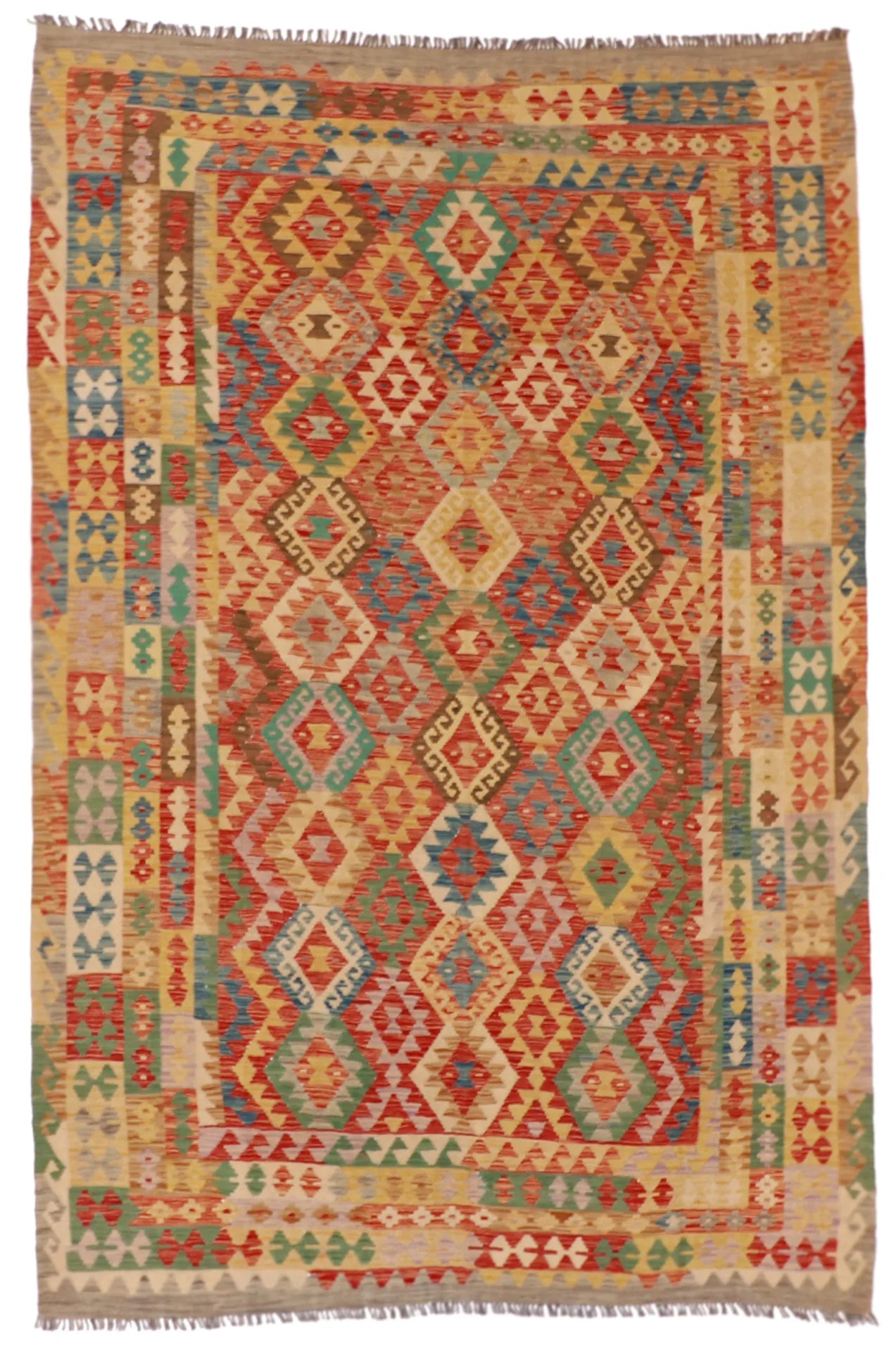
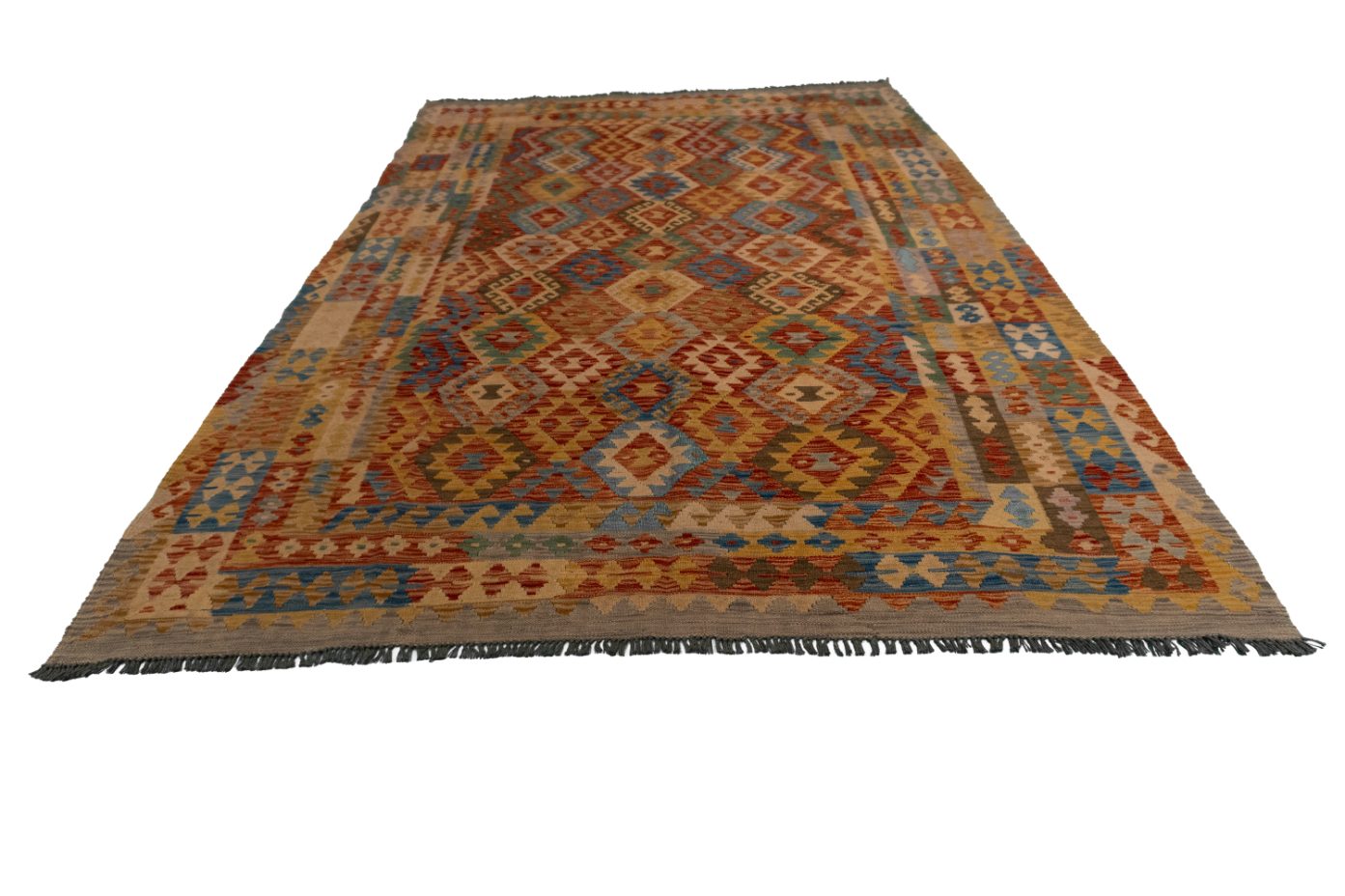
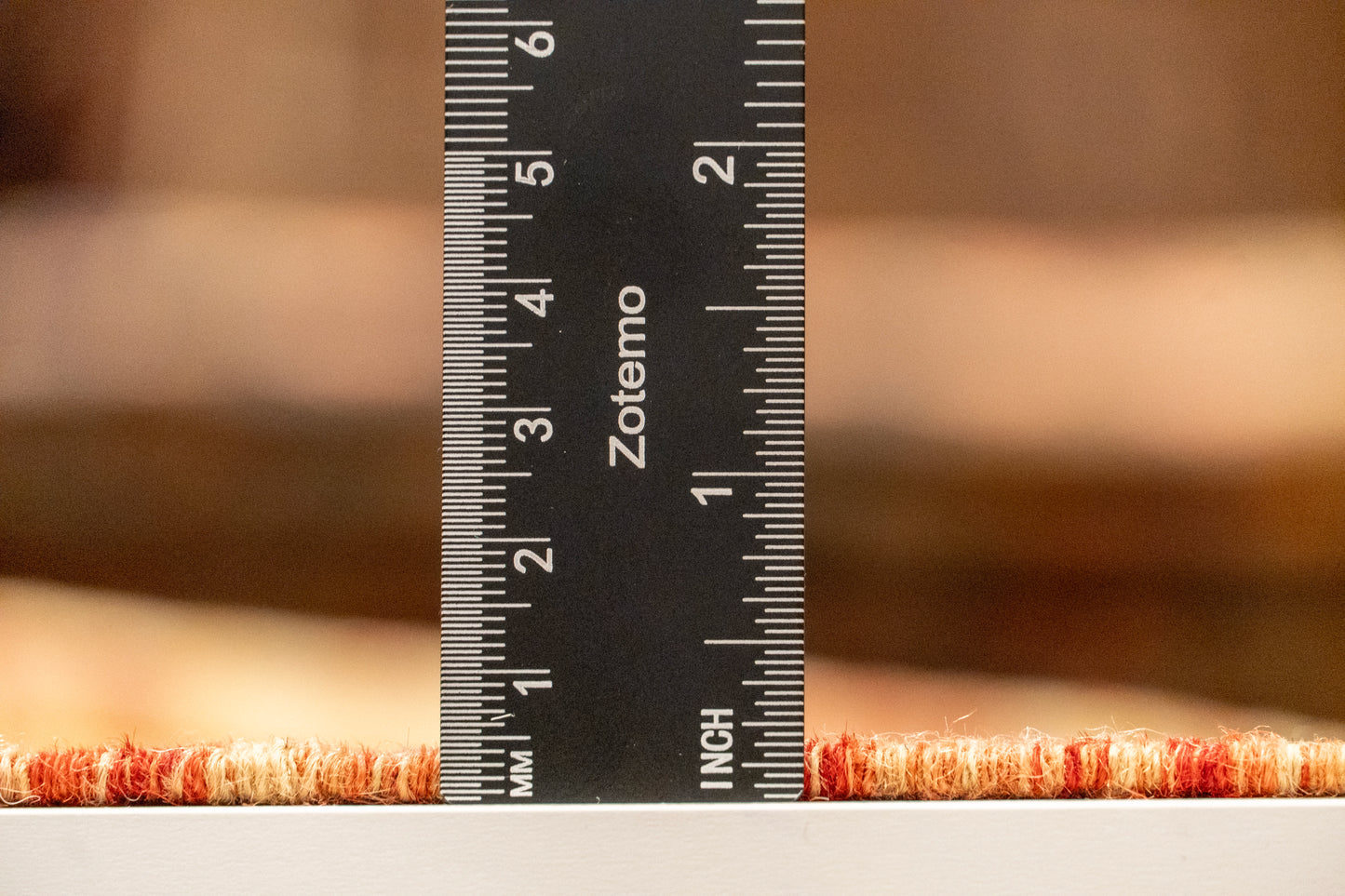
Derived from the Persian word gelīm ("to spread roughly"), a Kilim is a flatweave textile. Unlike knotted pile rugs, Kilims are created by interweaving the warp (vertical threads) and weft (horizontal threads) to create a smooth, pileless surface.


Key Characteristics:
- Reversible Design: Because there is no pile, the pattern is often identical on both sides, doubling the rug's lifespan.
- Geometric Precision: The weaving technique naturally lends itself to bold, sharp-edged motifs.
- Lightweight & Durable: Historically used by nomadic tribes as floor mats, saddle blankets, and even tent walls.
A Global Heritage
| Region | Style & Characteristics |
|---|---|
| Anatolian | Vibrant colors and symbolic motifs representing protection and nature. |
| Persian | Finer weaves and deep, earthy tones like indigo and madder red. |
| Caucasian | Rugged durability and striking geometric medallions. |
— Jeff Neishabouri, Founder